There is something special about stepping into your garden to gather a handful of herbs for a cup of tea, a meal, or a quiet evening ritual. Growing medicinal plants connects us with the seasons and gives us a practical way to learn about the plants that have supported everyday wellness for generations.
Oregon is a wonderful place to begin. Our growing conditions vary from the rainy western valleys to the sunnier, drier landscapes east of the Cascades, but you don't need acres of land to get started. A sunny patio, a few containers, or a small garden bed can be enough.
Here are six approachable herbs to get to know: thyme, chamomile, peppermint, calendula, lemon balm, and lavender. Each brings something different to the garden and kitchen, along with a history of traditional use and a growing body of research. Think of this as an invitation to explore—not a list of miracle cures. A plant's traditional use, laboratory activity, and demonstrated effects in people are different kinds of evidence, and the preparation matters.
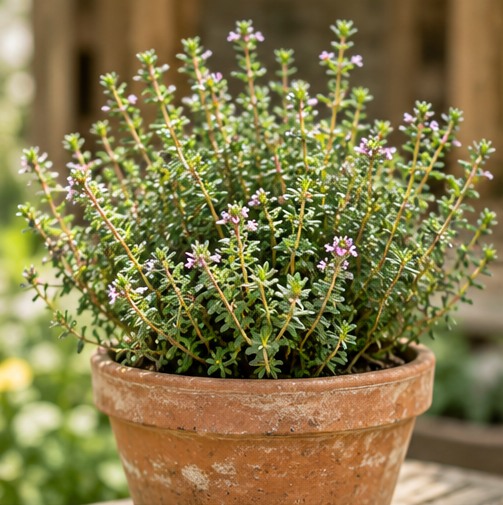
Thyme (Thymus vulgaris)
The family cold-weather companion
Thyme is a low, woody perennial with tiny aromatic leaves. Give it sunshine and well-drained soil, and once established it asks for relatively little water. It also earns its place in the kitchen, where it brightens soups, roasted vegetables, and beans.
Common use: A warm thyme infusion with honey and lemon is a traditional choice when your throat feels scratchy or you want a comforting drink during cold season.
A little science: Thyme contains aromatic compounds such as thymol, which show antimicrobial activity in laboratory studies. That is interesting chemistry, but it doesn't prove that thyme tea treats an infection. Certain thyme preparations are also used in herbal products for coughs associated with colds; evidence depends on the specific preparation.
Try it: Steep a few fresh sprigs in hot water, strain, and add honey or lemon if you like. (Do not give honey to children under one year old.)
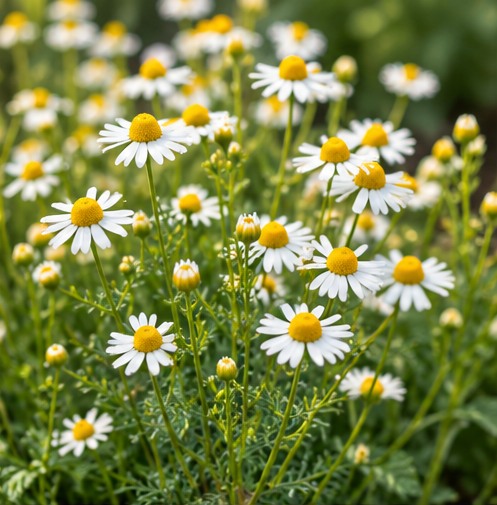
Chamomile (Matricaria chamomilla)
A little pause at the end of the day
With its delicate white petals and sunny centers, chamomile feels right at home in a cottage garden. German chamomile is an annual that can self-seed, so you may find it returning in future seasons. It grows in sun or partial shade and is lovely to harvest on a dry day.
Common use: Chamomile tea is a familiar evening ritual, enjoyed for its mild flavor and association with winding down.
A little science: Researchers have studied chamomile for anxiety and sleep. Some studies of specific supplements suggest potential benefits for anxiety, but evidence for sleep problems remains limited. The results of a supplement study cannot automatically be applied to a homemade cup of tea.
Try it: Dry the flowers thoroughly and store them in a clean, airtight container away from light and moisture. If you have a daisy-family allergy, use caution—chamomile can trigger allergic reactions in some people.
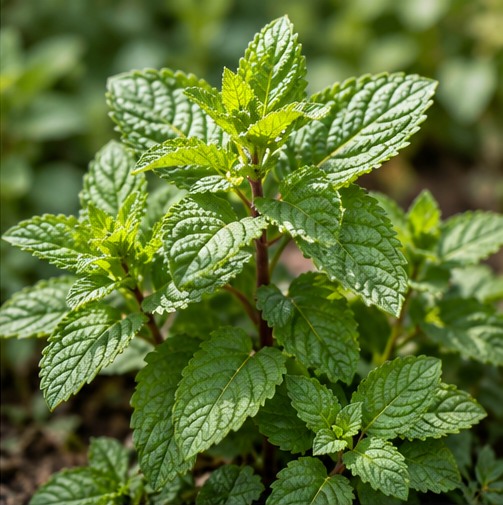
Peppermint (Mentha × piperita)
Fresh, cooling, and wonderfully vigorous
Peppermint loves moisture and often thrives in Oregon gardens. One friendly warning: it spreads enthusiastically. Plant it in a container unless you want it to make itself at home in the whole garden bed.
Common use: Peppermint leaf tea is a refreshing after-meal drink with a bright, cooling flavor.
A little science: Enteric-coated peppermint oil capsules have been studied for short-term relief of some adult irritable bowel syndrome (IBS) symptoms. Those findings are about a concentrated, specially coated oil—not peppermint tea—so the two shouldn't be treated as interchangeable.
Try it: Gently bruise a few fresh leaves before steeping to release their fragrance. Peppermint can worsen heartburn or reflux for some people, and concentrated peppermint oil needs extra care, particularly around young children.
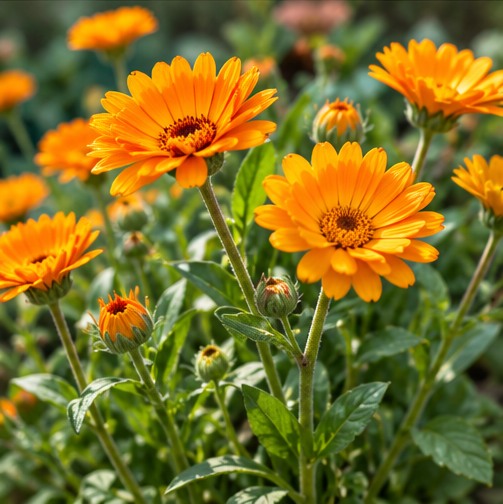
Calendula (Calendula officinalis)
A cheerful bloom with a long herbal history
Calendula, sometimes called pot marigold, brings bright yellow and orange flowers to the garden for months. It tolerates cool weather and light frost, and removing spent blooms encourages more flowers. It is also a lovely plant for children to observe and help harvest.
Common use: Calendula has a long history in topical skin care and is found in some creams, oils, and salves made for dry or irritated skin.
A little science: Researchers have studied calendula extracts for skin inflammation and wound healing. Findings are mixed, so it is more accurate to call calendula a traditional skin-care herb with some promising research than to promise that it heals wounds or burns.
Try it: Dry the petals for botanical crafts or learn about their use in properly prepared skin-care products. Homemade preparations are not sterile; don't apply homemade salves to deep or open wounds, infected skin, or significant burns. People sensitive to daisy-family plants should use caution.
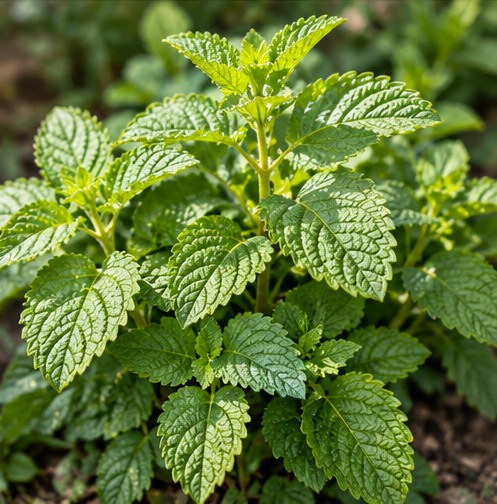
Lemon balm (Melissa officinalis)
A bright, lemony leaf for a quiet moment
Lemon balm belongs to the mint family and has soft leaves with a fresh lemon scent. It is forgiving, grows in sun or partial shade, and can spread readily—another good candidate for a pot if you have limited space.
Common use: A fresh lemon balm infusion makes a pleasant, citrusy drink for a daytime pause or a relaxed evening routine.
A little science: Small studies have explored lemon balm for stress, mood, and sleep, sometimes in combination with other herbs. Results are promising in places but limited, and different extracts may not have the same effects as a cup of tea.
Try it: Pick a few leaves, gently crush them between your fingers, and steep in hot water. The scent alone is a lovely reminder to slow down for a moment.
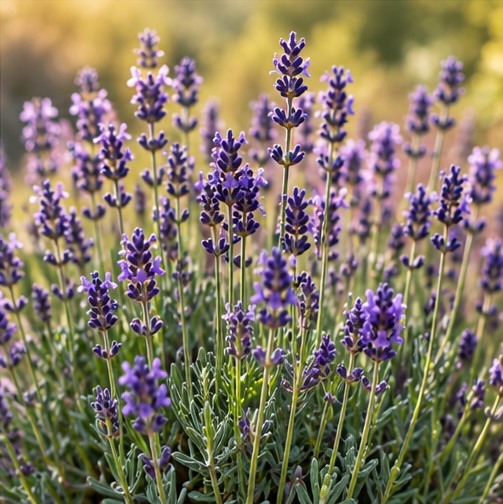
Lavender (Lavandula angustifolia)
Fragrance, pollinators, and a breath of calm
English lavender loves sunshine, good airflow, and well-drained soil. It can be a wonderful choice for Oregon's sunnier gardens, especially where winter soil doesn't stay waterlogged. Its purple flowers draw pollinators and dry beautifully for sachets.
Common use: Dried lavender is often tucked into linen sachets or enjoyed for its familiar scent as part of a relaxing routine.
A little science: Lavender has been studied for anxiety and sleep. Some evidence supports particular oral lavender-oil preparations for anxiety, while findings for aromatherapy and sleep are mixed. These results do not mean that lavender fragrance treats an anxiety disorder or insomnia.
Try it: Dry a small bundle for a sachet or enjoy the plant's fragrance in the garden. Essential oil is much more concentrated than the flowers; don't ingest it or apply it undiluted to skin.
A quick planting cheat sheet
| Herb | Light | Water & soil | Growing tip |
|---|---|---|---|
| Thyme | Full sun | Well-drained; low water once established | Protect from prolonged wet soil |
| Chamomile | Sun to partial shade | Moderate moisture | Let a few flowers self-seed |
| Peppermint | Sun to partial shade | Moist soil | Grow in a container |
| Calendula | Sun to partial shade | Moderate moisture | Remove spent blooms |
| Lemon balm | Sun to partial shade | Moderate moisture | Container helps control spreading |
| Lavender | Full sun | Well-drained; avoid waterlogged soil | Choose a sunny, sheltered spot |
Oregon's growing conditions vary widely, so check your local frost dates, soil drainage, and watering needs. A plant that thrives in the western valleys may need a different location or winter protection in colder parts of the state.
A few thoughtful notes
- Start small. A pot or two is plenty. You can learn a lot by growing, identifying, harvesting, and observing just one or two plants well.
- Preparation matters. Culinary herbs, teas, tinctures, topical products, extracts, and essential oils are not interchangeable. The plant part and preparation affect how it is used.
- Keep the whole person in mind. Children, pregnancy, breastfeeding, allergies, medical conditions, and medications can all change whether an herb is appropriate. If you plan to use herbs medicinally or take concentrated products, ask a qualified healthcare professional about your specific situation.
- Let research inform—not flatten—the tradition. Traditional use can give us useful questions to explore, while clinical research helps us understand what is known, what remains uncertain, and where caution is warranted.
From your garden to personalized botanical care
One of the things I love about botanical medicine is that it invites us to look beyond a plant's popular reputation. The right herb, preparation, and approach depend on the person and their goals. As a licensed naturopathic doctor with training in botanical medicine, I can help patients explore how herbs may fit into an individualized wellness plan.
If you're curious about botanical medicine or interested in a personalized herbal formulation, I'd love to welcome you as a patient to Sacred Soil Wellness.
Explore appointments →Further reading
- National Center for Complementary and Integrative Health (NCCIH): Chamomile.
- NCCIH: Peppermint Oil.
- NCCIH: Lavender.
- Givol O, et al. Systematic review of Calendula officinalis and wound healing. Wound Repair and Regeneration. 2019. Read the review.
This article is for general educational purposes and is not individualized medical advice. Evidence varies by herb, preparation, and health concern. Seek professional guidance before using herbs medicinally, especially for children, during pregnancy or breastfeeding, or when taking medication. For urgent or severe symptoms, seek appropriate medical care.